art statement
Legrady bio
Legrady cv
Legrady's work
on the CCCA
Art Database
Kingston Proze
AGO Book
launch
National Gallery
of Canada
collection
31works
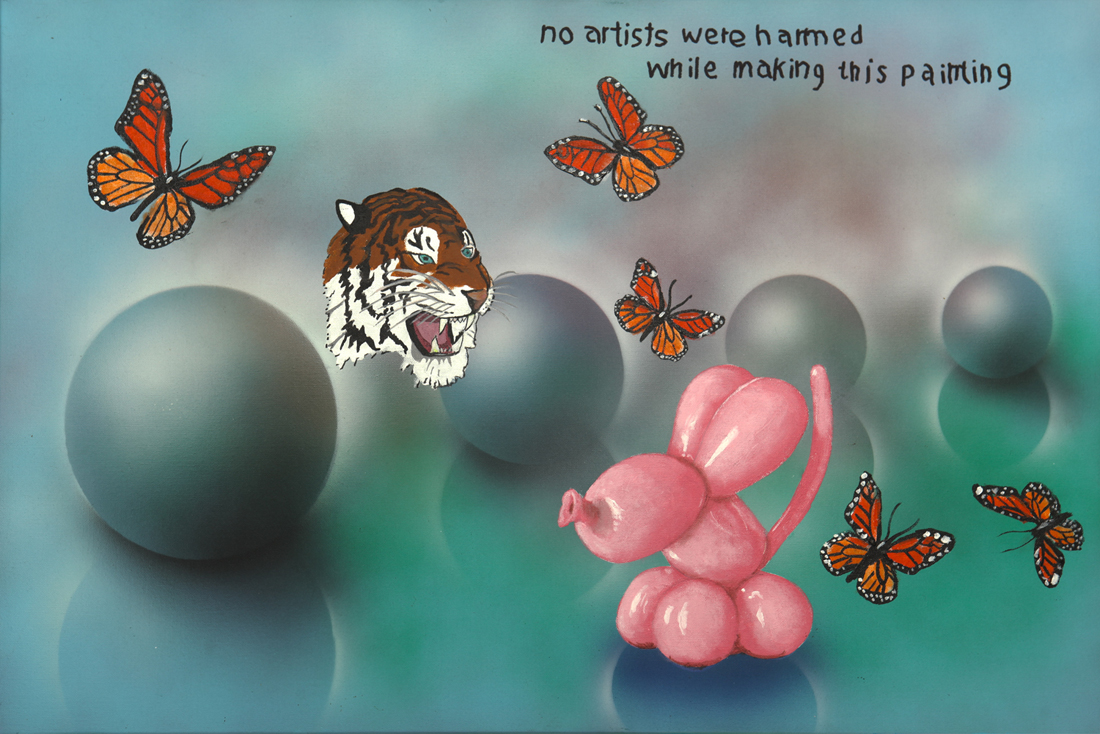
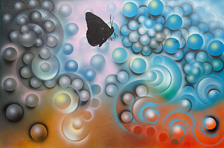
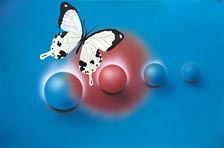
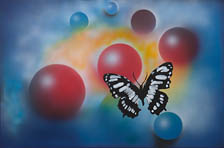
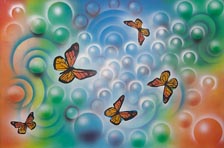
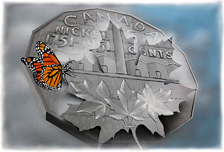
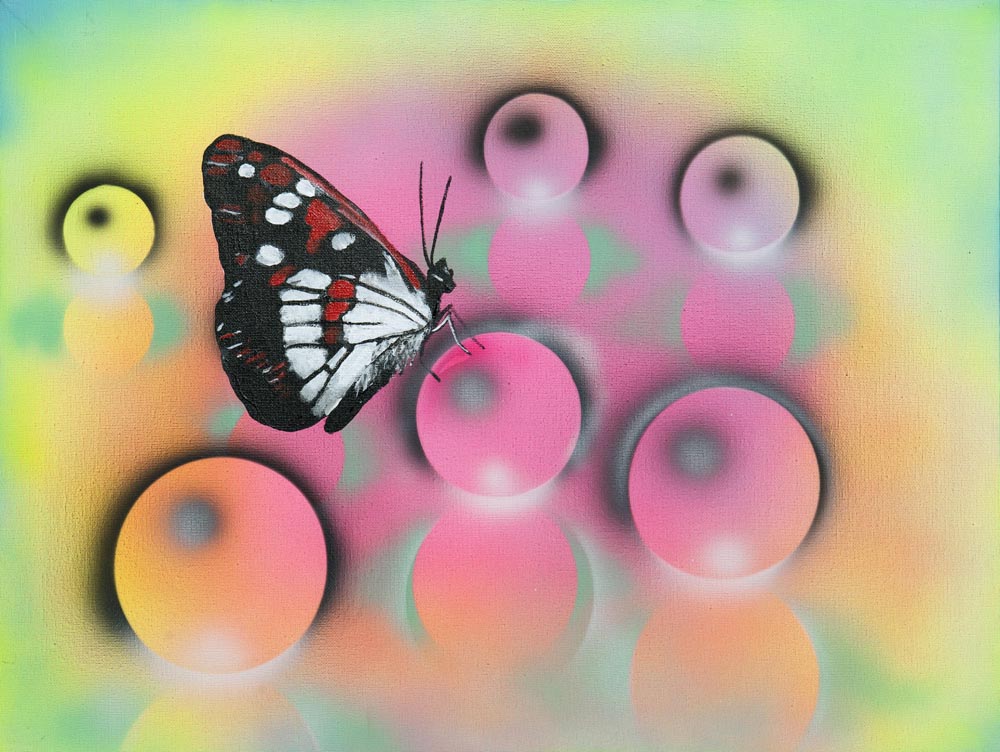
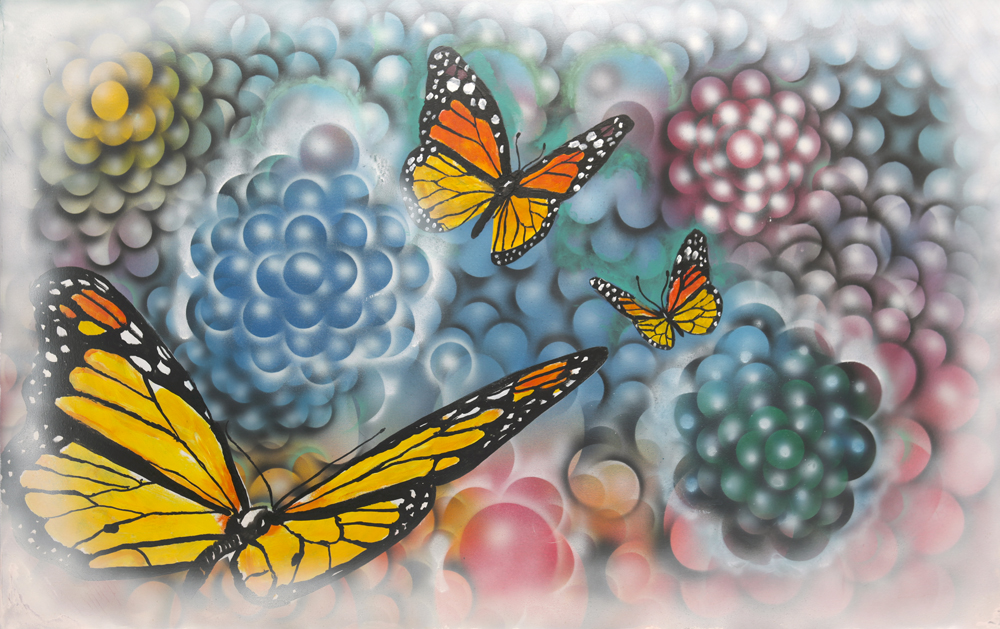
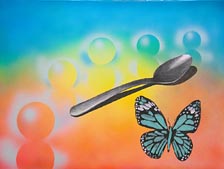
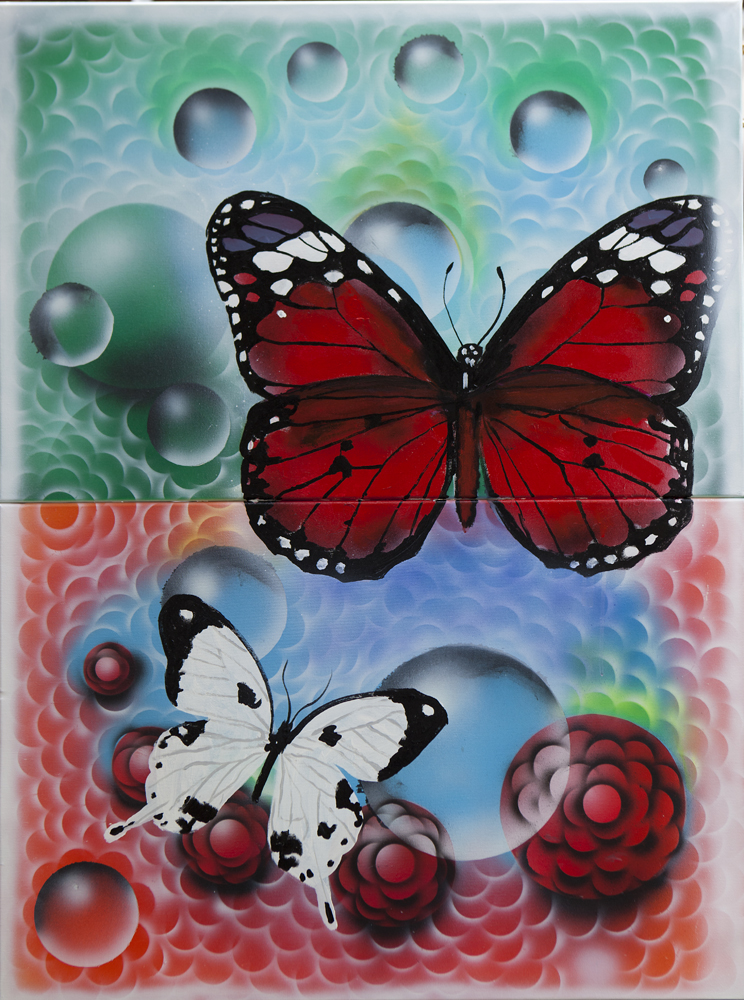
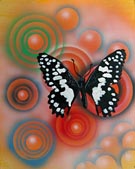
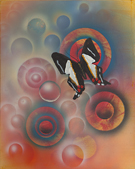
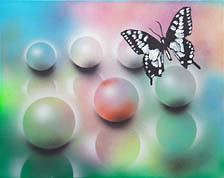
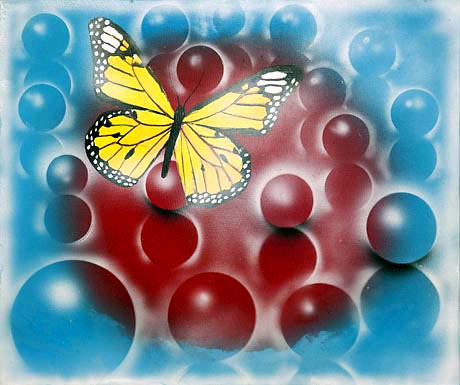
 THE BUTTERFLIES, a study in visual language; a non verbal art ecology In meta-modern visual art, just as in music, we become aware of conversations within conversations; we experience patterns, sequences, bridges, oppositions and harmonies. We feel melodic, periodic, or melancholic as the work moves us. Visual language describes things whose subtlety is lost when explained in words. Since the intellect is but one mode of thinking, visual language expands the bandwidth to include that which cannot be explained in sentences. Visual language is like music in that it can embody complexities and intensities of feelings that the written words can rarely express Here we see the formative aspects of visual grammar. An infinite variety of expression, and the infinite variations in shades of their admixture, guarantee that the long awaited death of painting is an unrealistic expectation. Painting is a visual language operating on a different bandwidth than writing. Both have been in use since calligraphy split off from pictography at the dawn of recorded time. Paul Dirac, who won the Nobel Prize in Physics in 1933 (shared with Erwin Schrödinger), was known for emphasizing mathematical elegance as a guide to physical truth. His 1963 Scientific American article "The Evolution of the Physicist's Picture of Nature," also cited from a 1980 talk) reads:"It seems that if one is working from the point of view of getting beauty in one's equations, and if one has really a sound insight, one is on a sure line of progress." Buckminster Fuller said "I never try to make something beautiful, but at the end, if it’s not beautiful, something is wrong". This leads one to wonder if the science behind beauty also applies to meta-modern visual art. |
 |
|||
 |
|||
 |
|||
 |
|||
 |
 |
||
 |
|||
 |
 |
 |
 |
 |
|||
 |
 |
 |
|
 |
 |
 |
 |
 |
 |
 |
 |
 |
|||
 |
 |
 |
 |
 |
 |
 |
 |
 |
 |
 |
 |
 |
 |
 |
 |
 |
 |
||
 |
|||
 |
 |
 |
 |
 |
|||
 |
|||
 |
 |
 |
 |
 |
 |
 |
|
 |
|||
 |
|||
 | |||
 |
|||
 |
|||
 |
 |
||
 |
 |
 |
|
 |
 |
 |
 |
 |
 |
 |
 |
 |
 |
 |
 |
 |
 |
 |
|
 |
 |
||
 |
|||
 |
 |
||
 |
|||
 |
|||
 |
|||
 |
 |
 |
 |
 |
 |
 |
 |
 |
 |
 |
 |
 |
 |
||
 |
 |
||
 |
 |
 |
|
 |
 |
 |
|
 < < |
|||
 |
 |
||
 |
 |
||
 |
 |
 |
 |
 |
 |
 |
 |
 |
 |
 |
|
 |
|||
 |
 |
 |
|
 |
 |
 |
 |
 |
 |
 |
 |
 |
 |
 |
 |
 |
|||
 |
 |
 | |
 |
 |
 |
|
 |
 |
 |
|
 |
 |
 |
|
 |
|||
 |
 |
 |
 |
 |
 |
 |
|
 |
 |
 |
 |
 |
|||
 |
 |
 |
 |
 |
 |
 |
 |
 |
 |
 |
|
 |
|||
 |
 |
||
 |
 |
 |
 |
 |
 |
 |
 |
 |
|||
 |
|||
 |
 |
 |
 |
 |
|||
 |
|||
 |
 |
 |
|
 |
 |
 |
 |
 |
 |
 |
 |
 |
 |
 |
 |
 |
 |
 |
 |
 |
|||
 |
 |
 |
 |
 |
 |
 |
|
 |
 |
 |
 |
 |
 |
 |
|
 |
 |
 |
 |
 |
|||
 |
 |
 |
|
 |
 |
 |
 |
 |
|||
 |
 |
 |
 |
 |
 |
 |
|
| |
 |
 |
 |
 |
 |
 |
|
 |
 |
 | |
 |
|||